Why the notice feels complete when it is not
Most notices are written for people who already know the building. They list hours, ticket types, and a short clothing line. They rarely describe the sequence that regulars treat as childhood knowledge: where shoes leave the floor, which cloth is for the walk and which is for the water, and whether the corridor outside the pool still counts as a no-phone room. The sign looks finished. The hour is not.
I have watched visitors photograph the notice, then walk past the wash stools because nothing on the paper named them. Staff corrected them with a look, not a speech. That look is information the wall will never print. Your job is to notice what the paper refuses to explain, then ask before you are half undressed in the wrong place.
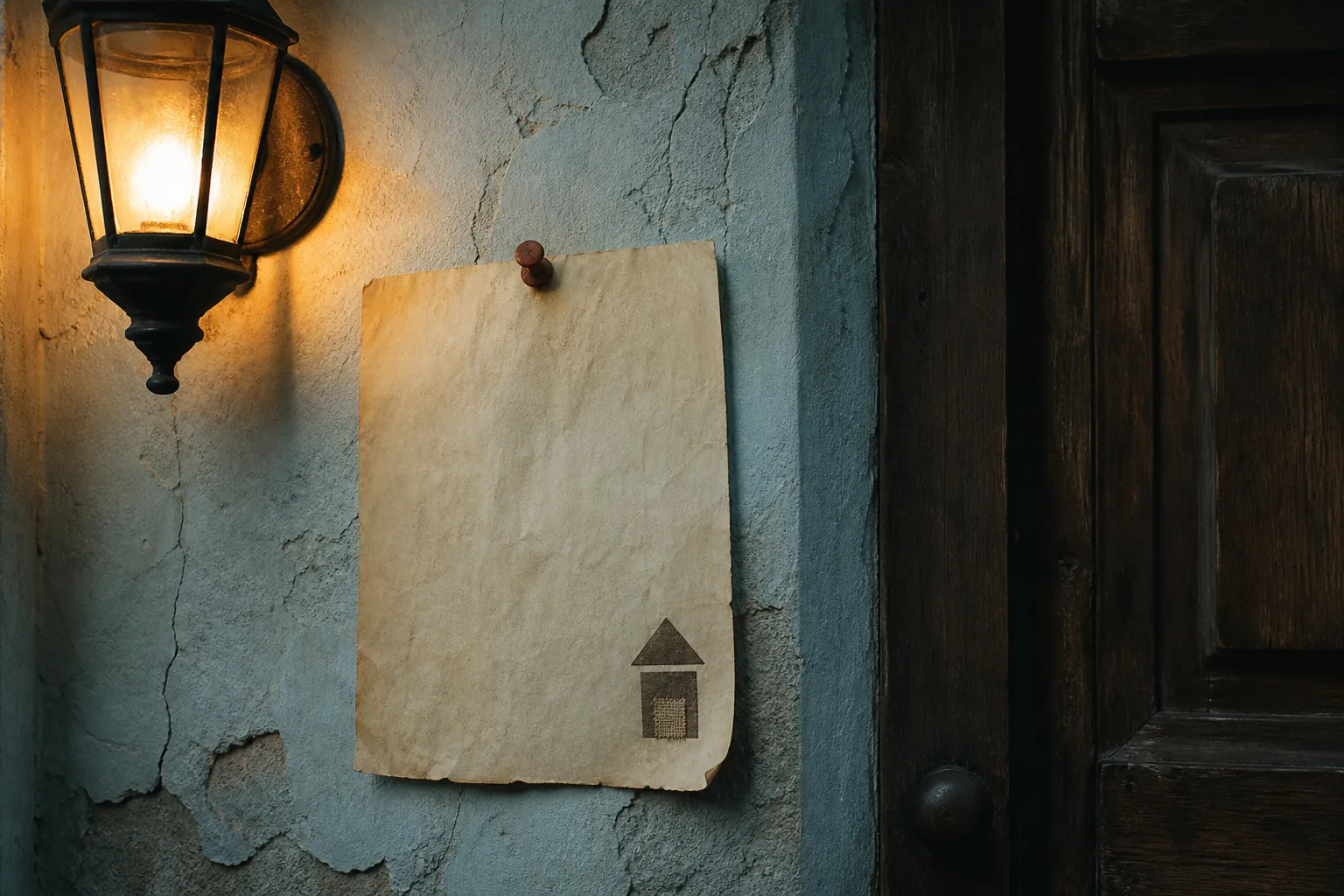
Treat the notice as a partial map. It marks the destination. It does not mark every turn. If you expect full instructions from a sheet taped beside a door, you will invent the missing steps from habit, and habit from another house is exactly how people arrive wrong.
What the paper usually covers
When you stand in front of a notice, sort it into three buckets before you move:
- Operational facts: opening windows, last entry, holiday closures, ticket desks.
- Fabric rules: swimsuit required, house cloth issued, or water without fabric.
- Behavior lines: no photography, quiet hours, age limits, separate changing rooms.
Those buckets are real. They are also incomplete. A fabric line rarely says whether the issued cloth is worn in the pool or only on the walk between rooms. A “no phones” line rarely says whether lockers in the corridor still count. A quiet line rarely tells you if conversation is normal on the rest benches. The notice answers the questions the house expects. It leaves the questions regulars never ask because they already know.
If a rule is enforced with a look and not a sentence, it will almost never appear on the wall.
How to read the gaps on purpose
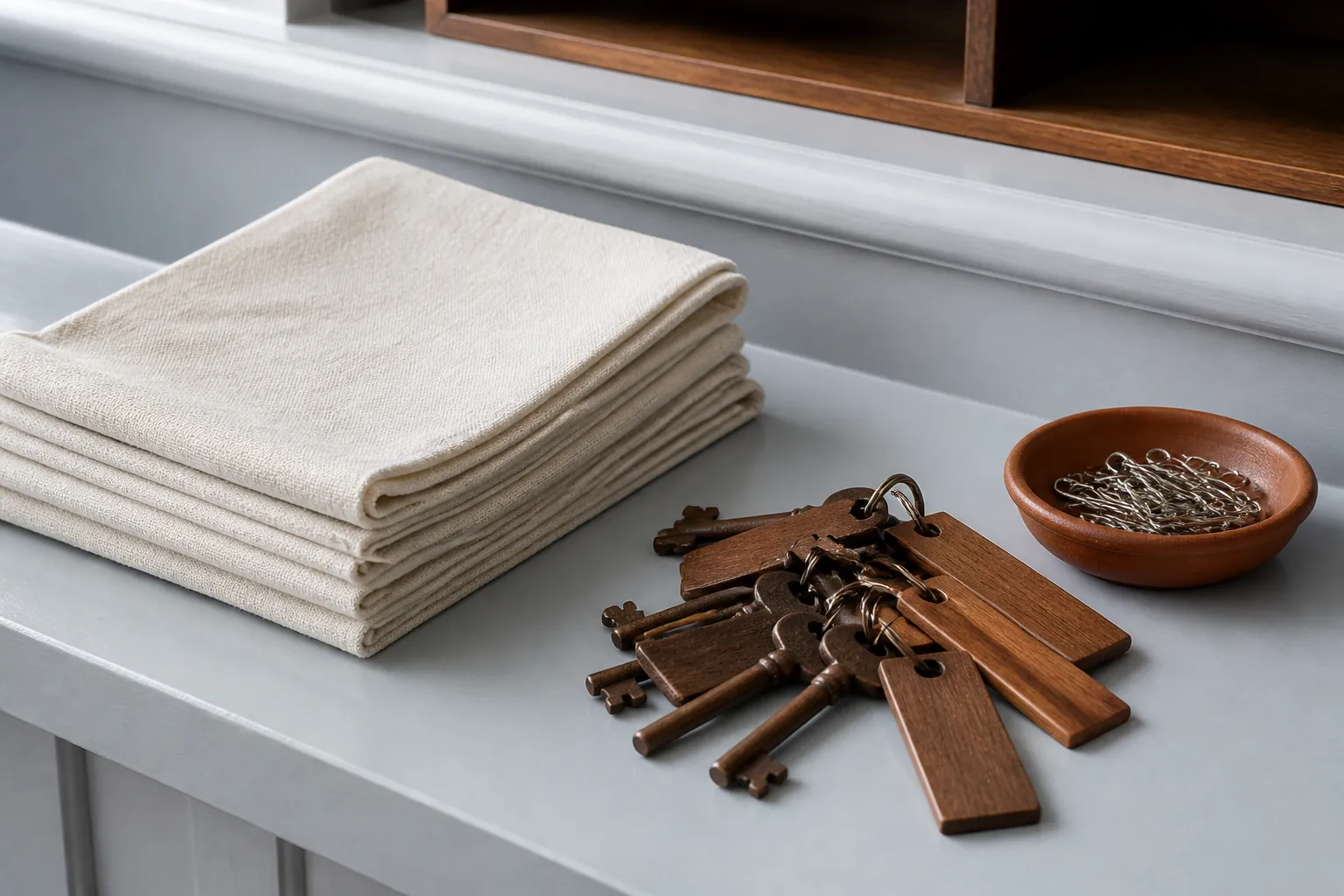
Start with verbs the notice avoids. Words like “wash,” “rinse,” “stool,” “issued,” and “leave devices” are often missing even when the house is strict about them. Then look at pictograms. A tiny cloth icon can mean three different things in three different buildings. Do not invent a translation from another trip. Check what sits next to the notice as well: stacked cloths, keys, a shoe shelf, or stools are part of the message. If the paper is silent and the shelf is full, ask how that object is used before you invent a ritual.
Finally, listen for thirty seconds. If the changing room is nearly silent, speech is probably limited beyond the door as well. If people chat while folding towels, the house may be social. The notice will not narrate that difference. Your ears will.
A short sequence before you undress
Use this order when the wall feels unfinished:
- Read the notice once for hours and fabric, then a second time for what it never names.
- Watch one regular complete the path from door to water without copying their speed, only their order.
- Ask the desk one precise question about the gap you found, not a tour of every possible rule.
- Follow the answer you hear in the room, even if it differs from something you read elsewhere.
One precise question beats five vague ones. Reception is busy. “Is the issued cloth for the water or only for the walk?” works. “What are all the rules?” does not. Write the answer down if you need to. Do not argue with it.
Questions that close the most common gaps
Clothing is the gap that embarrasses people most, because neighboring houses can reverse the rule without changing their facades. Ask whether fabric is required in the water, and whether the house issues a cloth that replaces what you packed. Ask whether sandals are expected on wet floors even when towels are issued.
Phones are the second gap. Many houses ban cameras in the water and still frown at screens in corridors. Ask where devices must stay. If the answer is “locker only,” leave them there without a debate. These are rooms where people are unguarded. The notice may understate that.
The third gap is the wash step. If the notice never mentions washing before entry, assume you still need to ask where the stools are and whether soap is provided. Skipping that step is the mistake that marks a visitor fastest, and it is almost never written in full on the wall because regulars cannot imagine forgetting it.
When two notices disagree
Complexes sometimes post one rule at the street door and another at the locker desk. Believe the person handing you a key. Paper ages. Staff update practice. If you are briefing a trip for someone else, note both versions and mark which one you verified at the desk. Do not average them into a fake consensus.
What this changes in your packing
Once you treat the notice as incomplete, packing gets lighter. You bring less “just in case” fabric and more willingness to accept what the house issues. You stop copying the last house onto the next one. You leave time at arrival for one question instead of arriving already committed to a wrong costume. Read the wall. Then ask. Then move.