Why the hot room feels unfinished without rest
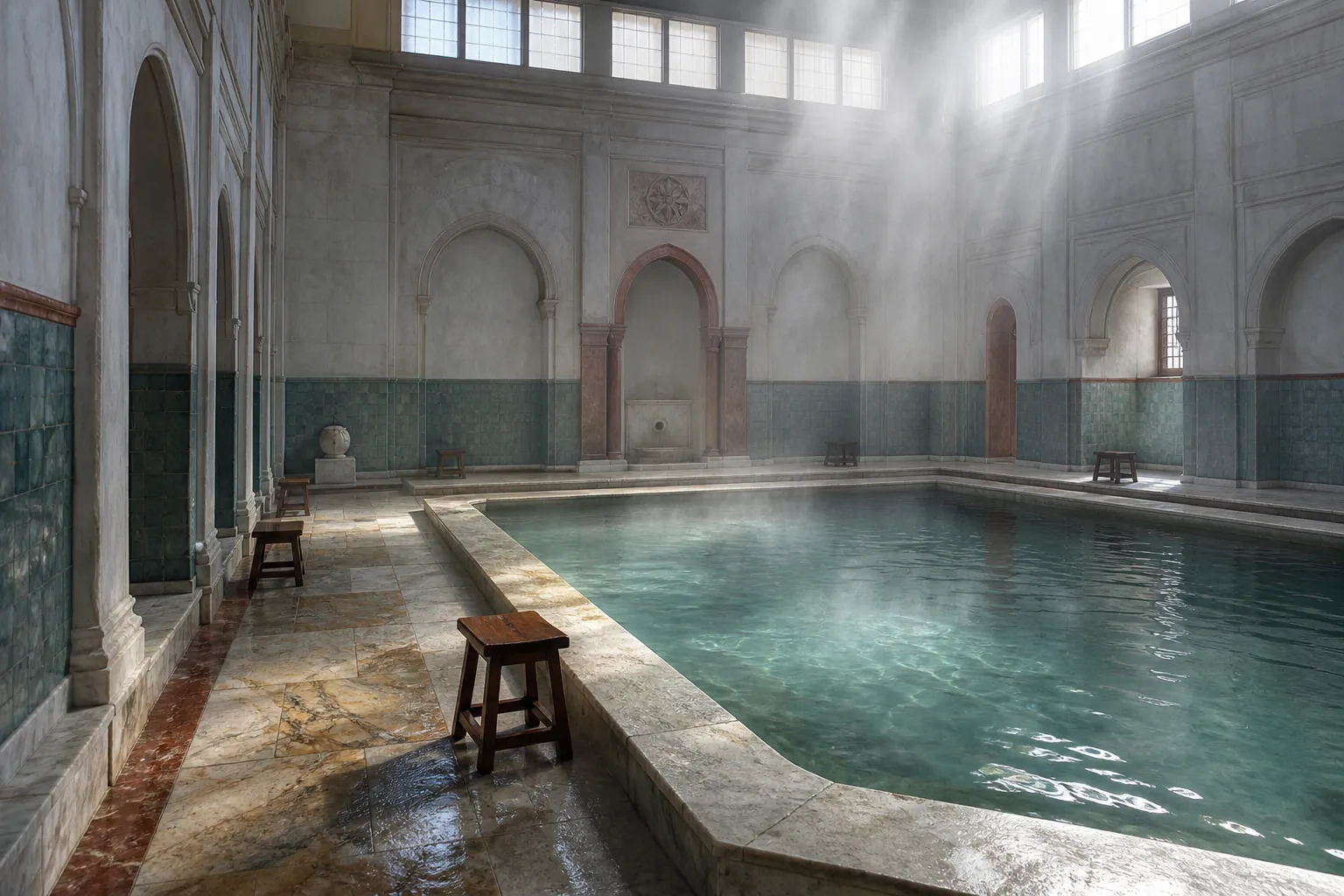
Visitors often treat the hottest room as the destination and the rest benches as optional scenery. Houses treat them as a pair. Short turns in heat, then air, water, and stillness, keep people from overstaying and keep the room available for the next person. If you stay until you feel dramatic, you are not proving endurance. You are blocking a shared tool.
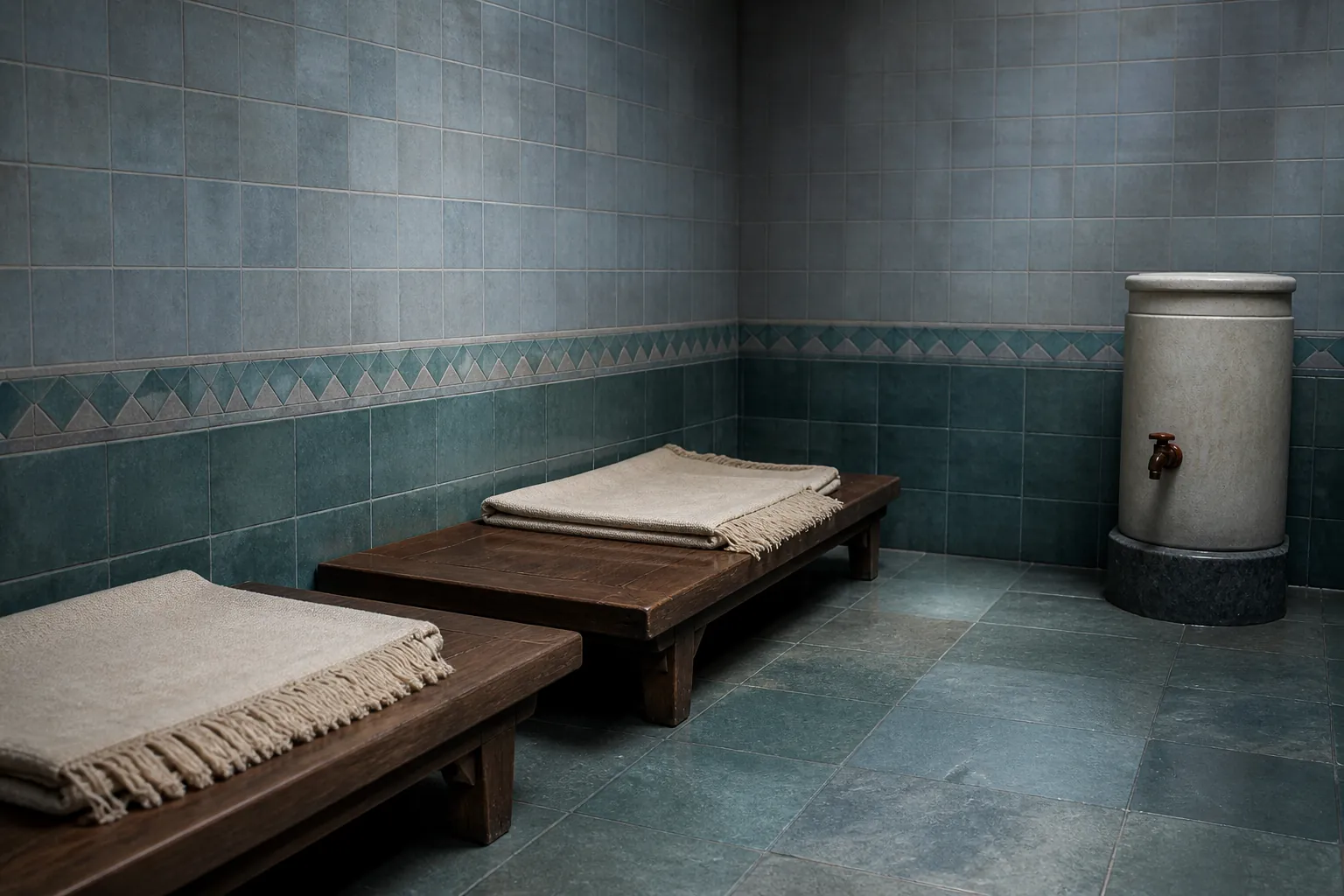
I have sat in halls where nobody spoke and still everyone moved on a similar clock: enter, sit, leave, cool, return or stop. No staff member announced the clock. The room taught it. Rest rooms are where that teaching becomes visible—daybeds, cool tile, a dispenser, a quieter volume of talk.
This is not medical advice about how long you should tolerate heat. It is a social map. If you feel unwell, leave and seek appropriate care. The house sequence assumes you can watch yourself and exit without being told.
What a rest room is for
- Lowering your temperature after a hot room or dense steam.
- Drinking water without carrying a bottle into the wettest zones.
- Sitting still long enough that returning to heat is a choice, not a compulsion.
- Keeping conversation soft when the hot room itself is nearly silent.
Some complexes separate outdoor cool-down from indoor rest. Others put benches just outside the door. Learn the local layout once, then use it on purpose. Do not invent a rest stop in a corridor meant for walking, and do not turn a rest room into a loud meeting place if the house is quiet.
Leaving the heat on time is hospitality toward strangers you will never speak to.
A practical rhythm you can keep alone
When there is no attendant cueing you, use a simple loop:
- Enter the hot room only after the wash step the house expects.
- Sit for a short turn; watch how long regulars stay, then leave sooner rather than later on a first visit.
- Go to rest or cool air; drink water if it is offered in that zone.
- Decide whether to return or stop while you still feel clear, not stubborn.
Stubbornness looks like staying because others stay longer. Clarity looks like exiting when your own limit arrives. The rest room makes that exit look normal. Without it, people linger in heat because they do not know where else to go.
Signals that you should leave now
Dizziness, nausea, confusion, or a sense that the room has become harder to leave are reasons to stand up and go to cooler air. Do not wait for permission. Do not apologize for using the rest space. That is what it is for. If staff give you a different instruction in the moment, follow the person in the room.
Also leave if the hot room is packed and your presence forces someone else to stand. Shared heat works when people rotate. A rest bench is how rotation stays polite.
Water, silence, and phones
Drink where the house places water. Do not carry drinks into rooms that forbid them. Keep phones in the locker; rest rooms are still unguarded spaces. Silence in the hot room often continues into rest. Match the volume you hear. If you need to talk, keep it brief and low.
Throws and towels on daybeds are usually for the person resting, not for drying off in the middle of the aisle. If a cloth is folded on a bench, leave it for the next person unless staff say otherwise. Wipe drips if the house expects it. Small housekeeping habits keep rest rooms usable when the hall is busy.
How this changes a first visit plan
When you brief a first hour, include the rest room on the map, not as an afterthought. Know where it is before you enter the heat. Know that ending the visit after one cool-down is allowed. Know that “more heat” is not a requirement for a successful trip.
If you are traveling with someone who tends to push through discomfort, agree on a meeting point in the rest area before either of you enters the hot room. That way an early exit does not look like a failed visit. It looks like the plan working.
At ichthyost, we write rest into the sequence because houses already do. The wall notice may never say so. Regulars already move that way. Your job is to join the rhythm early, leave the hot room without a debate, and treat cooling as part of the visit—not as a pause you have to earn.