About the desk

We write the hour before the water, not a brochure for the building

ichthyost started because neighboring houses kept posting opposite rules, and travelers were copying the last visit onto the next one. This page is the method behind the notes: how a briefing is made, what we refuse to invent, and whom we ask when a notice is incomplete.

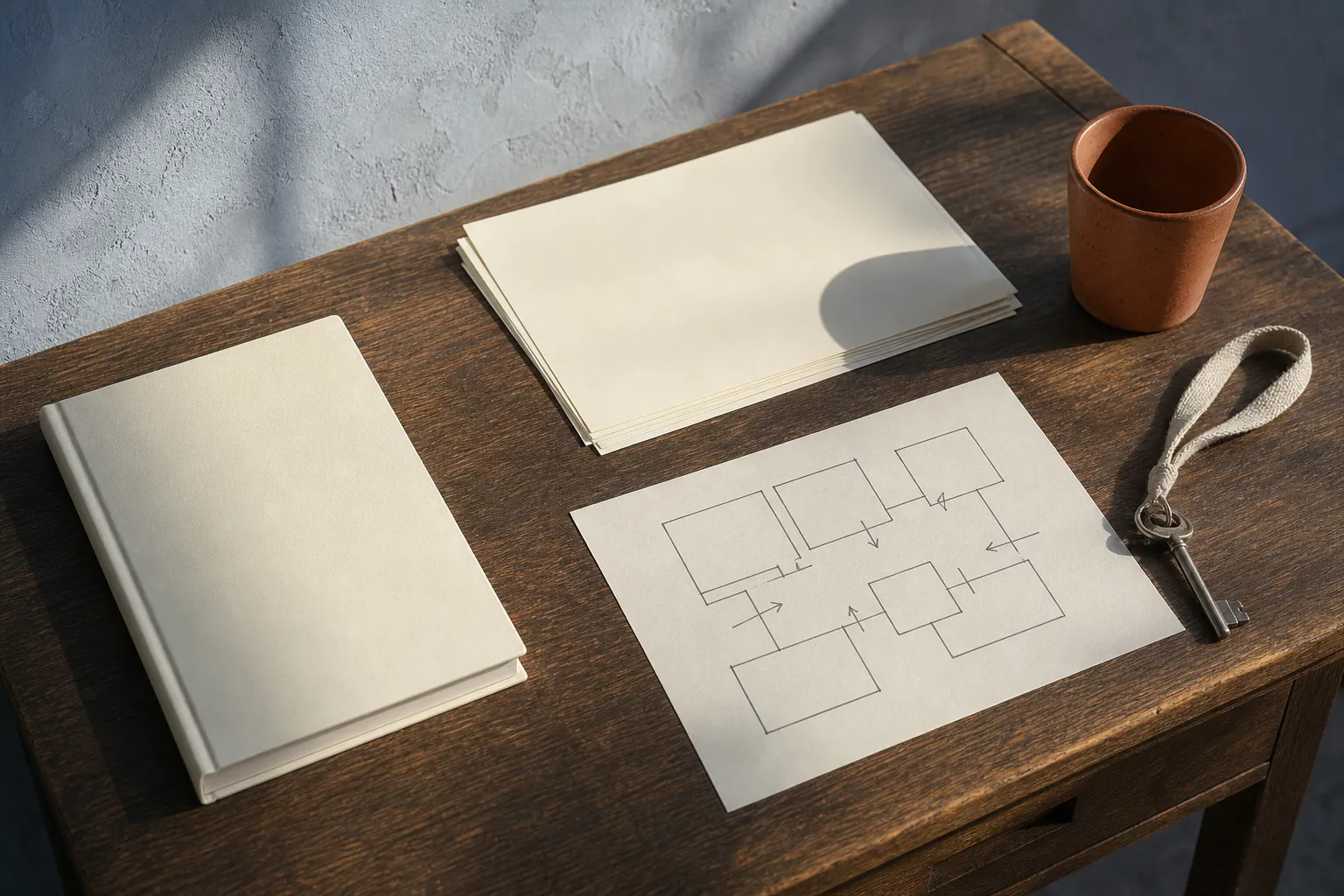
Wooden editor desk with an open notebook, a house floor plan marked in pencil, a metal locker key on a cotton strap, and a ceramic cup, late afternoon side light, 1600x1000

Why this desk exists

The project did not begin with a catalog of beautiful halls. It began with a pile of contradictions.

Elena Voss kept a private list of clothing rules that reversed from one door to the next. A house that issued a cloth in the morning sat three streets from a house that required a full swimsuit in the afternoon. Travelers who asked her after the fact were not looking for a ranking. They wanted to know which version of the hour they had walked into, and why they had felt clumsy for the first twenty minutes.

Those letters had a pattern. People could describe the water. They could not describe the stools, the order of washing, or whether speech was welcome. They had treated the visit as scenery. The house had treated them as guests who had skipped the obvious. The gap was not taste. It was preparation.

We chose public baths and thermal halls because they are ordinary rooms with a strict social grain. They are not exhibitions. They are not a spa menu. They are places where regulars move by habit and where a visitor is judged on small actions. That is useful to write about, and it is easy to get wrong if you only photograph the steam.

ichthyost is the public form of that notebook. Marcus Hale joined to turn the list of contradictions into briefings that a person can use before packing. Naomi Reyes joined to keep the published pages aligned with what a desk would still say if you called it again. The work is consultative. It is not a booking engine, and it does not replace the person standing at the house door.

How a note earns a place on the page

We publish only what we can source. A single overheard remark is not enough to tell a stranger how to behave in a shared room.

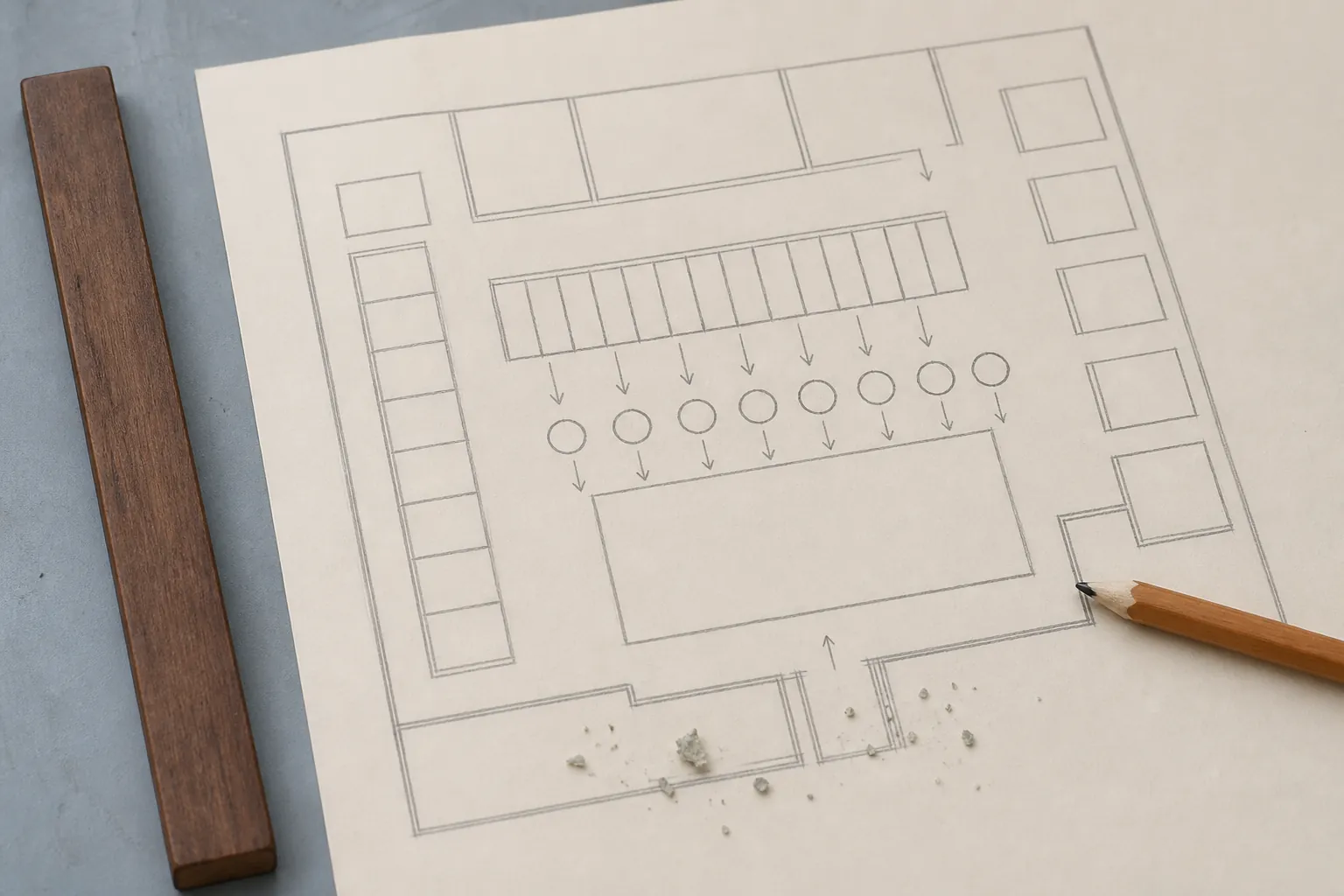
Floor notes come first when we can enter the house ourselves. We record the path from the street to the water: tickets, shoes, lockers, wash, entry, rest, exit. We do not reconstruct a universal code from one visit. We write what that house did on that visit, then we look for a second source.

The second source is usually the desk. A posted notice is useful and often incomplete. We ask what is issued, what fabric is expected, and whether phones are barred in corridors as well as in the water. If the desk and the floor disagree, we print the disagreement. We do not pick the prettier version.

Naomi Reyes reads every briefing before it goes out. She flags wording that sounds like a guarantee, a medical claim, or a rule we observed only once. If we are not sure, the sentence says so. Readers can live with uncertainty. They cannot live with a confident instruction that the house does not use.

We also refuse scenery that pretends to be guidance. A photograph of steam is not a sequence. If a paragraph cannot tell you where to put your shoes, it belongs in a caption, not in a briefing.

Close view of a bathhouse floor plan on cream paper, pencil arrows from locker row to wash stools to pool edge, eraser crumbs, a wooden ruler along the margin, 1600x1000

From the first letter to a usable hour

A consultation is a written order for one visit, not a template reused for every traveler.

  1. We start with the request, not with a favorite house

    You tell us what is already on the route and how you feel about crowds, heat, and talking. We do not begin by naming a hall we like. A house that is calm at mid-morning can be a different room after work. The first page of the brief is your constraints, written back to you so we know we heard them.

  2. Four questions before any packing list

    We ask about fabric, issued kits, speech, and how you want to meet the hottest room. These four points decide more of the hour than the architecture. If you cannot answer yet, we tell you what to ask the desk, in the order a receptionist can actually handle between other guests.

  3. The desk is checked, then the page is written

    Marcus Hale confirms opening patterns and what is handed over at reception when that information is available. The written hour then follows the house path: arrival, changing, washing, water, rest, exit. We leave out health advice. If heat is a concern, that question belongs with a clinician, not with our notes.

  4. You keep the last word at the door

    If a staff member gives an instruction that differs from the brief, you follow the person in the room. After the visit, you can send back what changed. We use that letter to mark a note as stale. We do not pretend a briefing stays current without another look at the house.

How we ask you to occupy the room

Guest conduct here is not a brand value. It is the minimum required to share heat, benches, and silence without making the house worse for the next person.

The desk
Reception is doing a job in a wet, busy threshold. Ask the clothing question before you undress, not after. Accept the issued kit even if you packed your own. If the answer is short, that is not hostility. It is a line of people behind you. Thank them and move.
Other guests
These rooms are used by people who did not come to be watched. Keep your eyes on your own sequence. Do not narrate the architecture out loud. Do not compare bodies, heat tolerance, or “how they do it here.” If you need to pass, pass once and sit. The bench is not a viewing rail.
The house itself
Stools, buckets, cloths, and hooks are tools with a place. Put them back where you found them. Do not rearrange a wash row to make a photograph. Water on the floor is normal; leaving soap in a basin that the next person must use is not. Treat the fabric of the room as borrowed, because it is.
The unguarded hour
Phones stay in the locker unless the desk has said otherwise, and “otherwise” is rare. If you cannot follow the rhythm of the hottest room, leave it. Ending a visit early is not a failure. Staying to prove a point is a problem for everyone still sitting there.

Who we compare notes with

We do not buy a favorable description of a house. We work with desks and editors who will let us print a disagreement.

If a partner needs the notice to sound smoother than the floor, we do not use the partnership.
Editorial rule at ichthyost

Harbor Bathhouse Keepers Circle

Independent desk network

A small circle of reception leads who will answer clothing, kit, and phone questions in writing. We use them when a posted notice is silent. They do not draft our copy, and we do not hide when their answer differs from what we saw on a previous visit.

Stone Corridor Editorial Exchange

Writers of shared-room notes

An informal exchange of floor notes among editors who visit public baths while traveling. We read their contradictions next to ours. If two notebooks disagree, the published page says so instead of averaging them into a fake consensus.

Wharf Lane Visitor Desk

Briefing cooperative

A cooperative that helps travelers phrase questions a busy desk can answer between other guests. We send people there when the need is a telephone script, not a full ichthyost briefing. They are not a substitute for the house’s own staff.

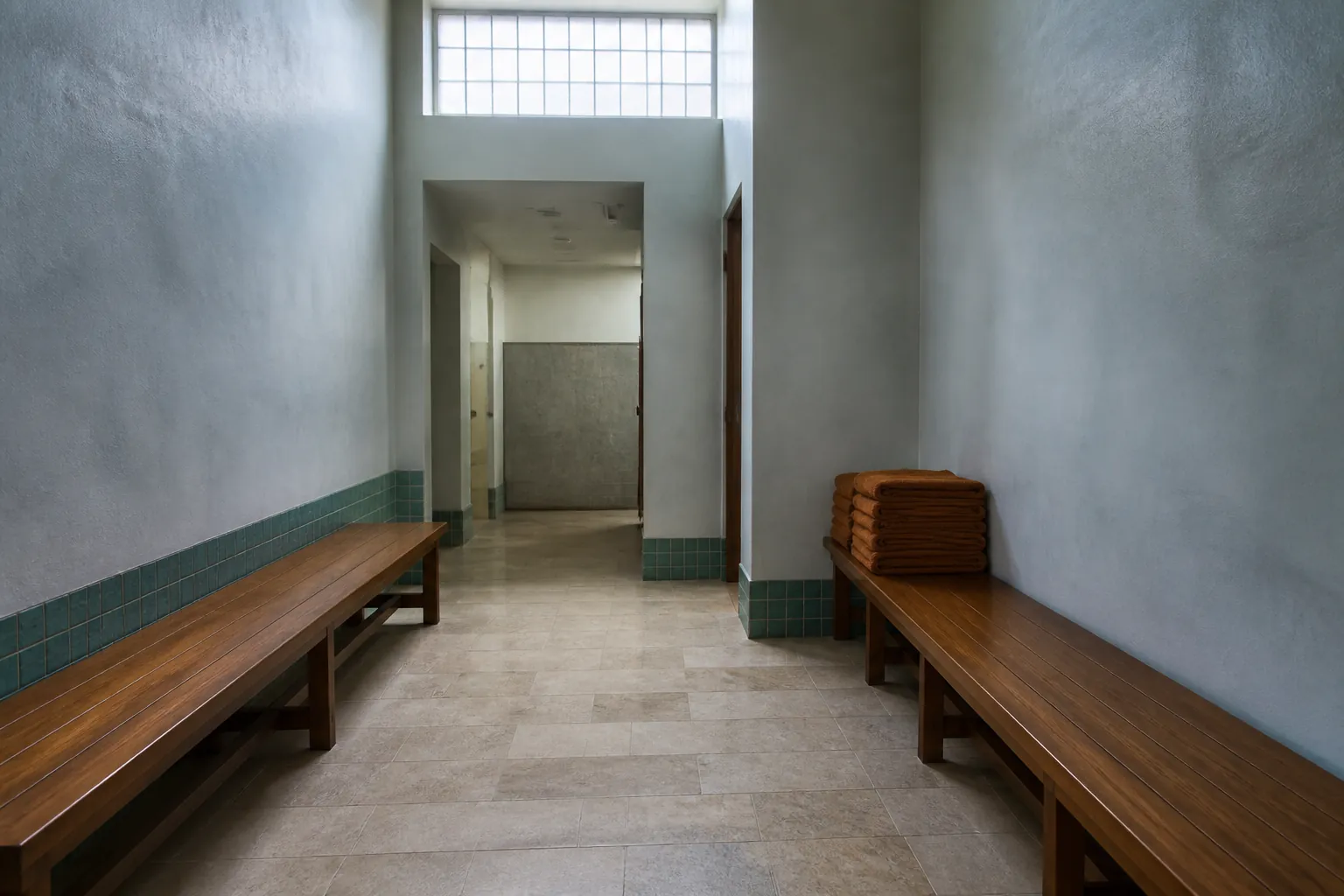
Empty bathhouse side corridor before opening, long wooden benches against plaster walls, stacked house cloths at one end, cool daylight from a high transom window, 1600x1000

We add a partner only after a conversation about disagreement. If they need every house to be described as welcoming, or if they want a fee for a mention, we stop. The public page has to remain usable when a rule is inconvenient. That is the test. It is also why partner names on this site are working relationships, not decorations at the bottom of an article.

None of these groups sells tickets through us. None of them is a platform you log into. If you write to ichthyost, you are writing to this desk. If you write to a partner, you are writing to them. We keep those paths separate on purpose.

If the house rules are still unclear

Send the route, the hour you expect to arrive, and what you already know about clothing. We will tell you what to confirm at the desk and whether a full briefing would help, without inventing a rule we have not checked.

Request a Consultation

Longer notes, one subject at a time

The articles unpack a single problem: how to read a notice, how to pick a quieter first hour, what the desk actually issues, and why rest rooms belong in the visit. They are not a recap of this page.

Learn More

How to read this site

ichthyost publishes information about public baths, thermal complexes, and bathhouse customs so travelers can prepare for the social and practical side of a visit. The materials on these pages are meant to introduce our consulting work and to share field notes from houses we have entered. They describe observed practice. They are not a booking desk, not a medical service, and not a substitute for advice from qualified health professionals.

Questions about your own health, heat tolerance, skin conditions, pregnancy, or whether a visit is appropriate for you belong with a clinician you trust. We do not attribute properties to the water, and we do not present a soak as treatment, recovery, or a guaranteed outcome of any kind. If you feel unwell in the heat, leave the room and seek appropriate care.

Houses change between trips. Opening hours, locker systems, towel service, construction, clothing notices, and what is issued at the door can shift without a public announcement that reaches visitors. Confirm the current details with the house itself before you go. Our notes are a starting brief, not a live operations board.

You decide how to travel. ichthyost is not responsible for choices you make after reading these pages, including which house you enter, how long you stay in the heat, what you wear, or how you interpret a local custom. If a staff member gives you an instruction that differs from something you read here, follow the person in the room.